
RESOURCES
Professional & Participant Resources
Explore Canadian training frameworks, professional reference material and LETA participant documents.
PUBLIC CANADIAN TRAINING REFERENCES
Canadian Use of Force & Intervention Frameworks
Referenced in LETA’s student training materials, these Canadian policing frameworks support understanding of risk assessment, communication, de-escalation and the explanation of decisions. Select a diagram to view it at full size.
CACP · FOUNDATIONAL REFERENCE
National Use of Force Framework (NUFF)
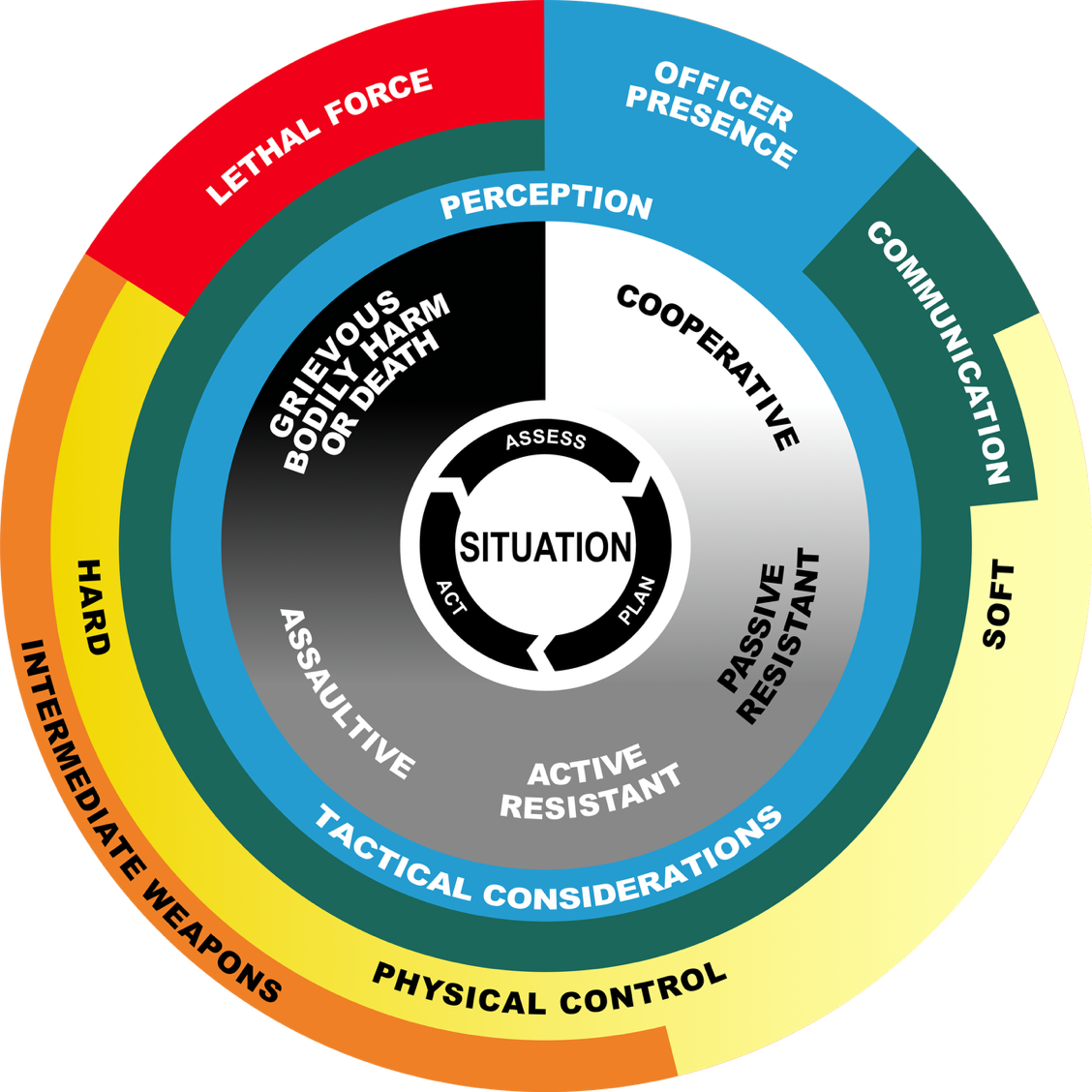
Developed through the Canadian Association of Chiefs of Police, this framework supports training and understanding of police use of force. It brings the situation, subject behaviour, officer perceptions and tactical considerations into a continuous process of assessment, planning and action.
It helps explain decisions and responses as circumstances change. It does not prescribe a specific response, justify force or replace the law or an agency’s policies.
Source edition: endorsed November 2000. Read this foundational document in the context of current training and applicable standards.
READ THE CACP FRAMEWORK (PDF) →
VIEW THE FRAMEWORK DIAGRAM (PDF) →
RCMP · RISK ASSESSMENT MODEL
Incident Management Intervention Model (IMIM)
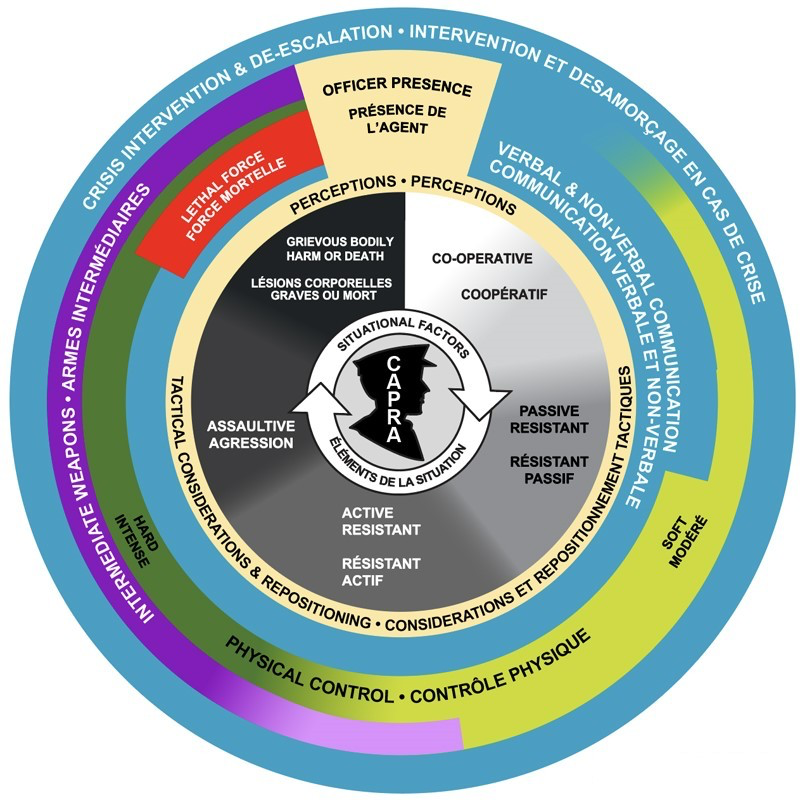
The RCMP’s IMIM helps officers assess and manage risk during encounters with the public. Aligned with the national framework, it considers the circumstances, subject behaviour, officer perceptions and tactical considerations, with continual reassessment as events change.
Communication, crisis intervention and de-escalation are central to the model. It is a dynamic assessment tool, rather than a fixed sequence of escalating responses, and is not itself law or policy.
Source context: the RCMP describes its April 2021 update emphasizing communication and de-escalation. The official page includes the model and an accessible text description.
Using these references: These are educational policing resources. They do not confer authority to use force or replace current Canadian law, role-specific training or applicable provincial and agency requirements. Personnel in security, bylaw, regulatory and other public-safety roles must work within the authority and requirements of their own role.
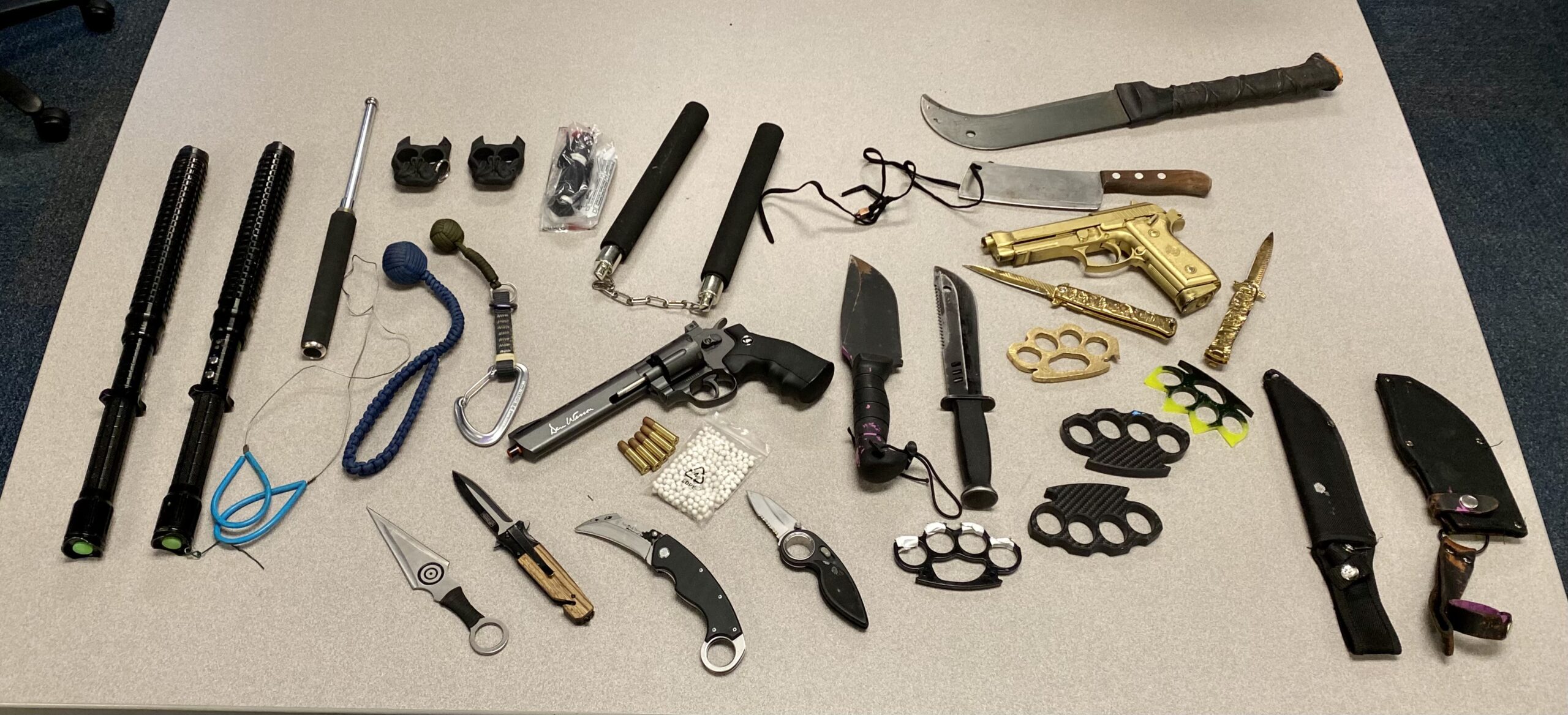
Canadian Non-Firearms Prohibited Weapons
Identification · Canadian Legislation · Case Law · Reference Photography
A professional Canadian reference library covering the Criminal Code of Canada, federal prohibited-weapons regulations, examination guidance and reference photographs.
Open Canadian reference library →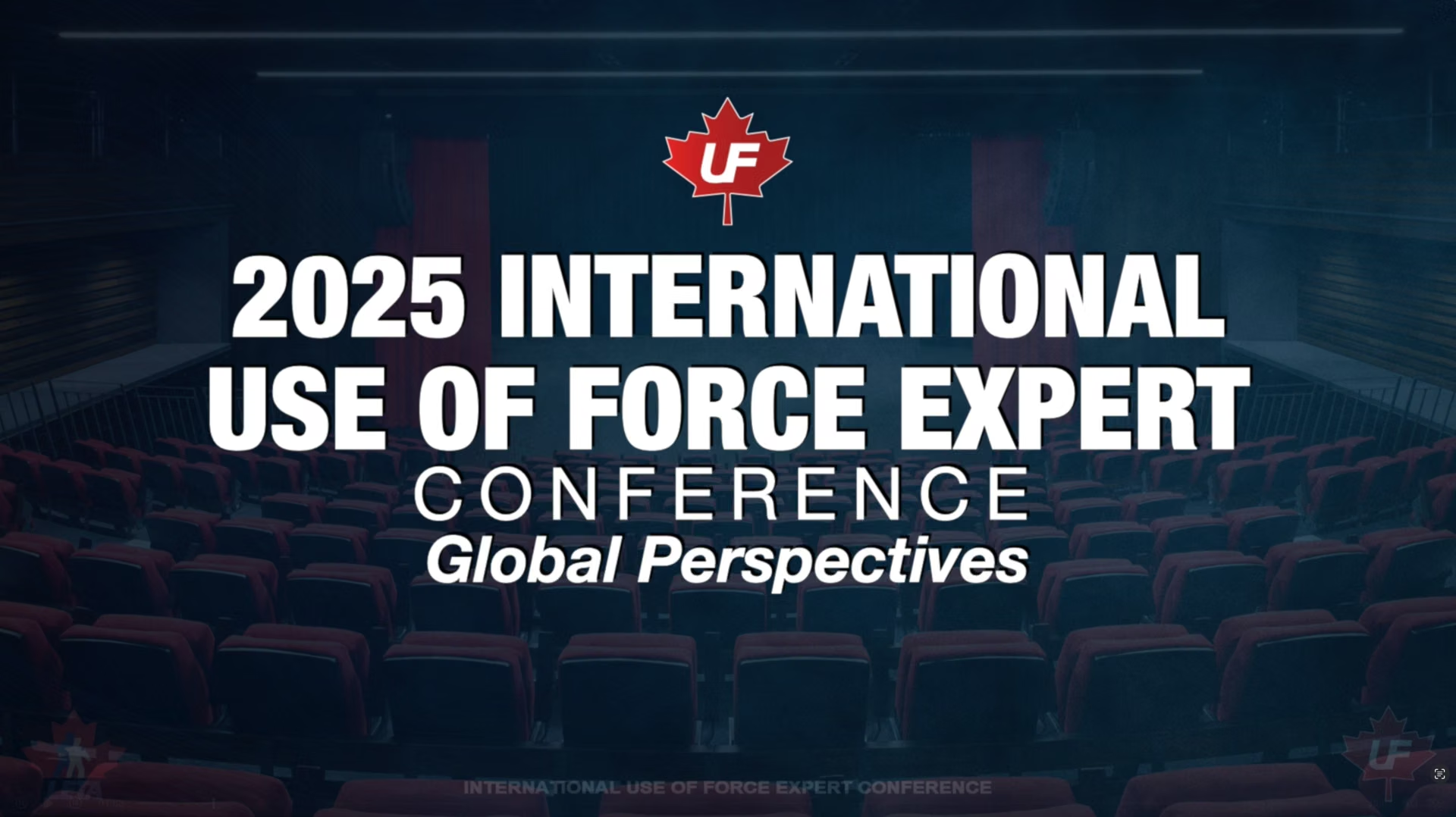
CONFERENCE RECORDINGS · VIMEO OTT
Watch the 2025 Use of Force Expert Conference
Global Perspectives · Conference Lectures
Explore the 2025 International Use of Force Expert Conference on our new Vimeo OTT platform, featuring the conference trailer and all 18 lectures.
Our Vimeo OTT viewing platform is being prepared for launch. Rentals will become available once setup is complete.
BOOK
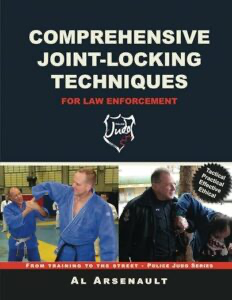
Comprehensive Joint-Locking Techniques for Law Enforcement: From Training to Street
Author: Al Arsenault
PARTICIPANT DOCUMENTS
Prepare for Your Training
Use the documents relevant to your program. Contact LETA if you are unsure which forms or requirements apply to your booking.
PROGRAM INFORMATION
Find the Right Information
Questions Before Training
Confirm participant requirements and booking details with Mark.